Impaku
Encyclopedia of Martial Arts
Primary Martial Arts
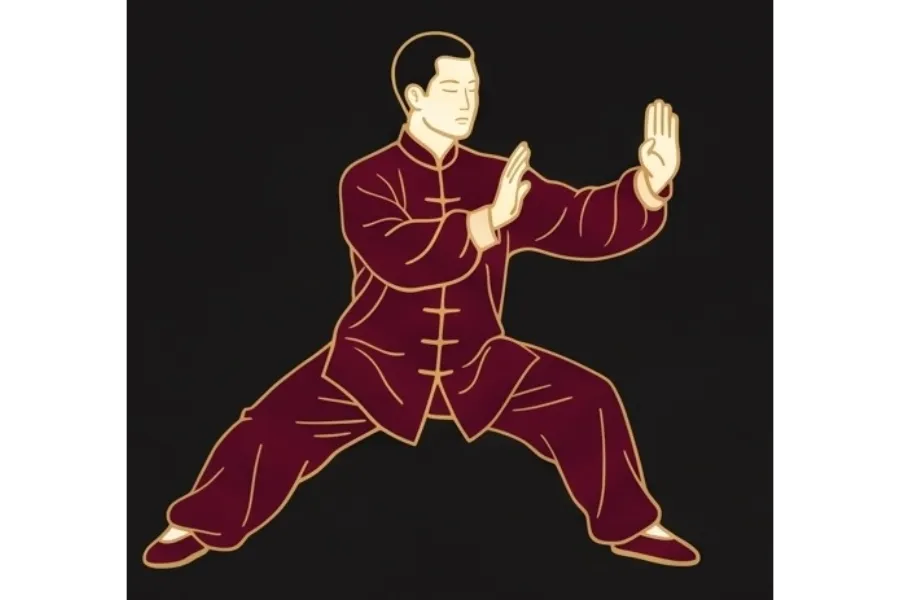
Kung Fu
The collective name for hundreds of Chinese fighting traditions. It has no founder: Bodhidharma is a legend spread only from the early 20th century.
 ChinaHybrid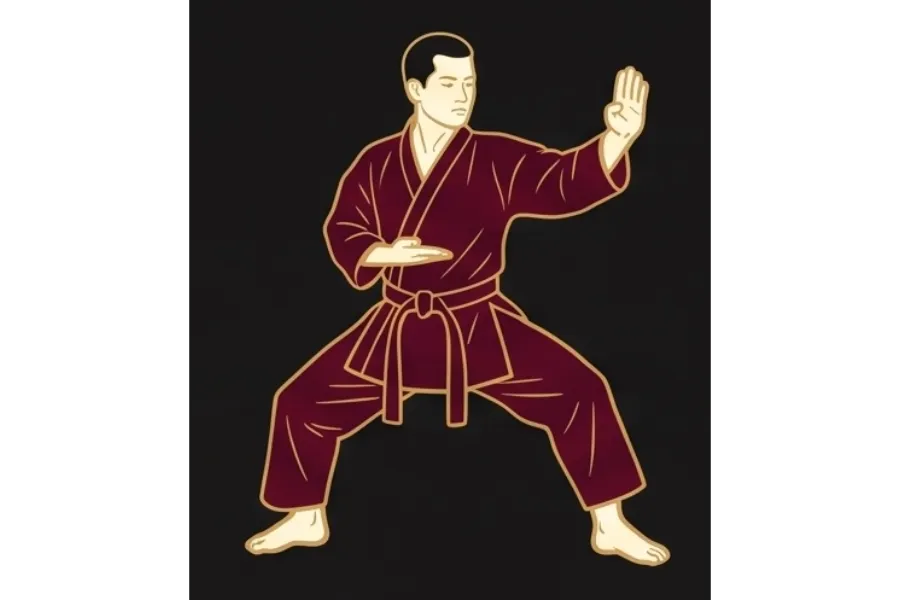
Karate
An Okinawan striking art reshaped in the 20th century into Japanese budo and an Olympic sport. Built on kata and hand and foot techniques.
 JapanStriking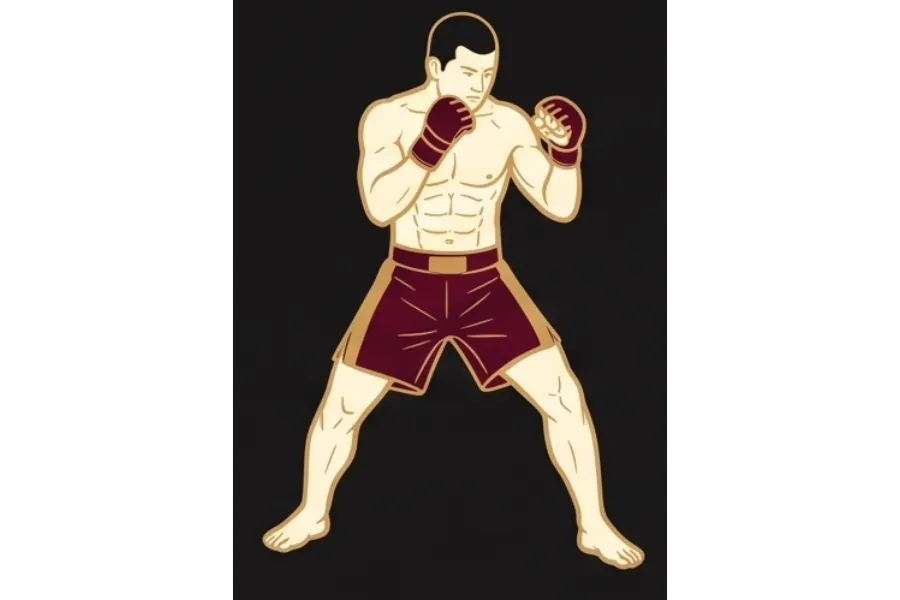
MMA
A full-contact sport combining strikes, throws and ground fighting; today the most widely followed fighting format in the world.
 United StatesHybrid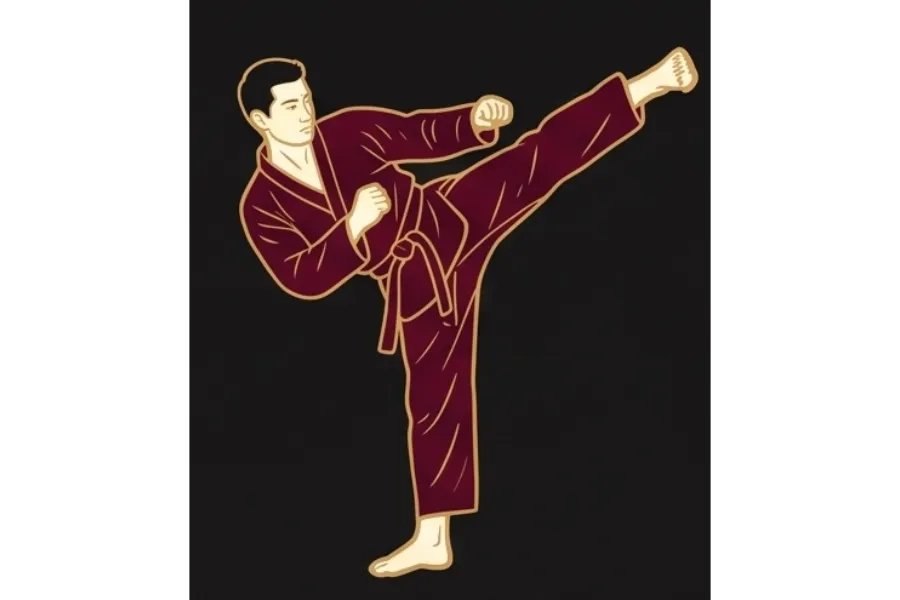
Taekwondo
The Korean art of high, dynamic kicks, unified after the Second World War from nine schools. A full Olympic discipline since 2000.
 South KoreaStriking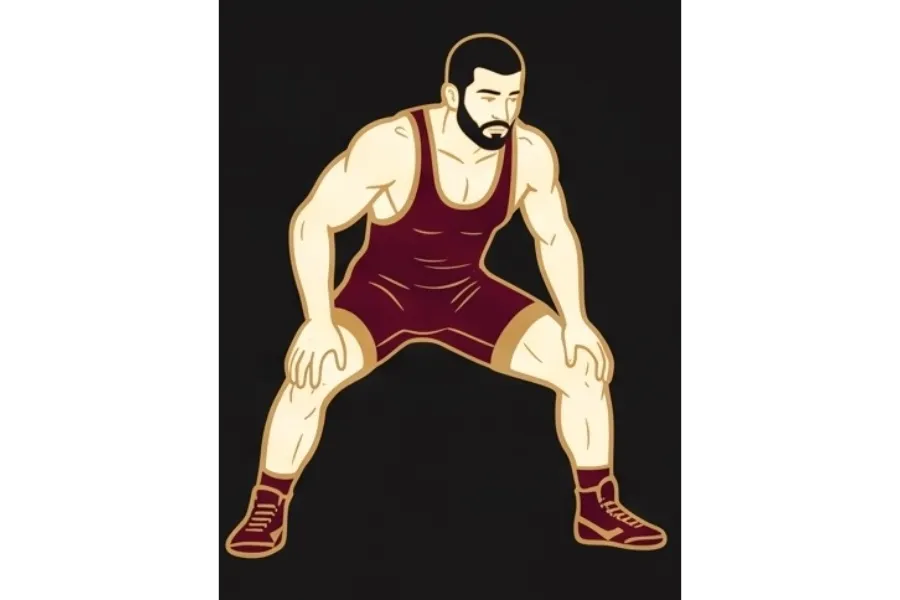
Wrestling
The oldest sporting form of unarmed combat — takedowns, throws and control of the opponent on the ground, without strikes.
 GreeceGrappling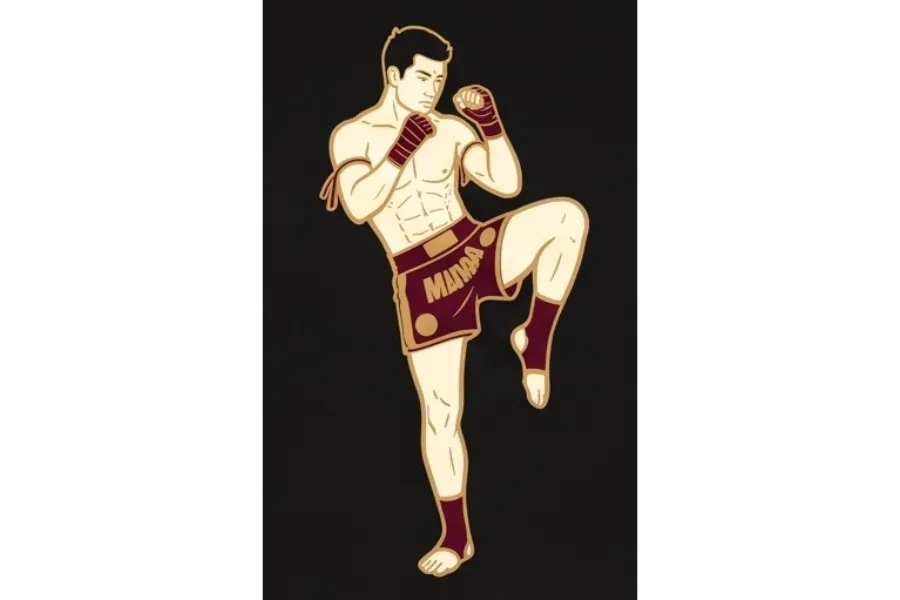
Muay Thai
Thai boxing, the art of eight limbs — fists, elbows, knees and shins, complemented by clinch work. It moved into the ring in the early twentieth century.
 ThailandStriking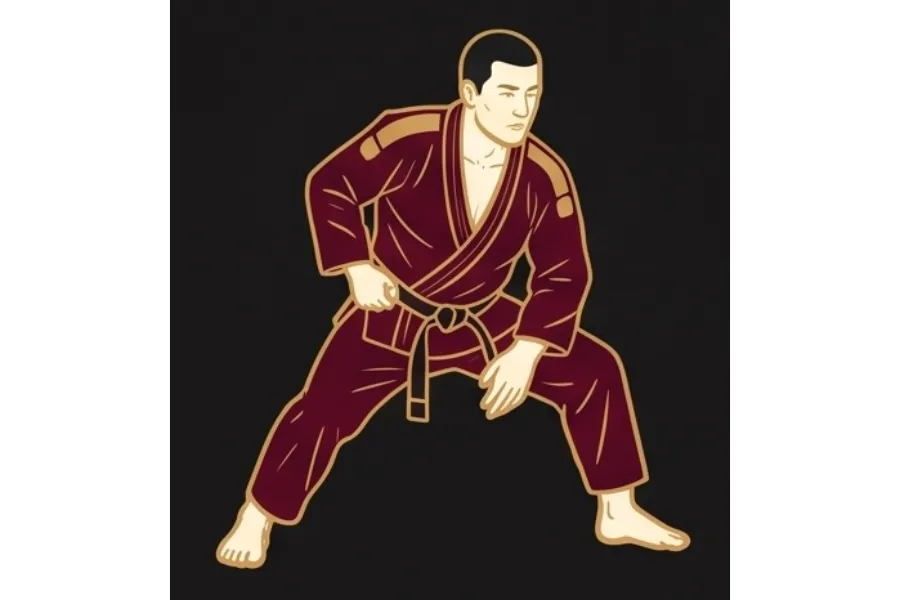
Brazilian Jiu-Jitsu
A Brazilian ground-fighting art built on joint locks and chokes; it lets technique control a stronger opponent.
 BrazilGrappling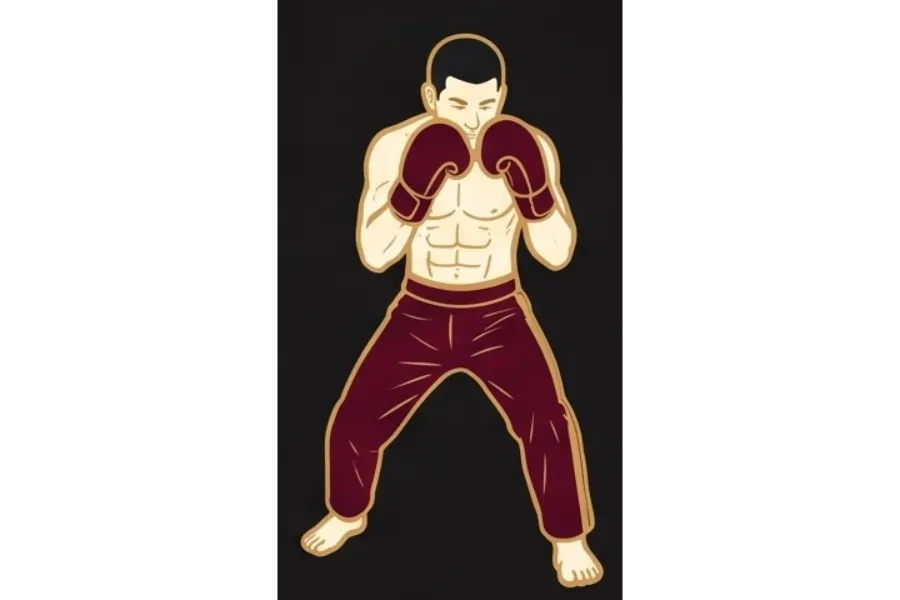
Boxing
Fighting with the fists alone, in gloves, weight classes and rounds — the oldest codified combat sport.
 United KingdomStriking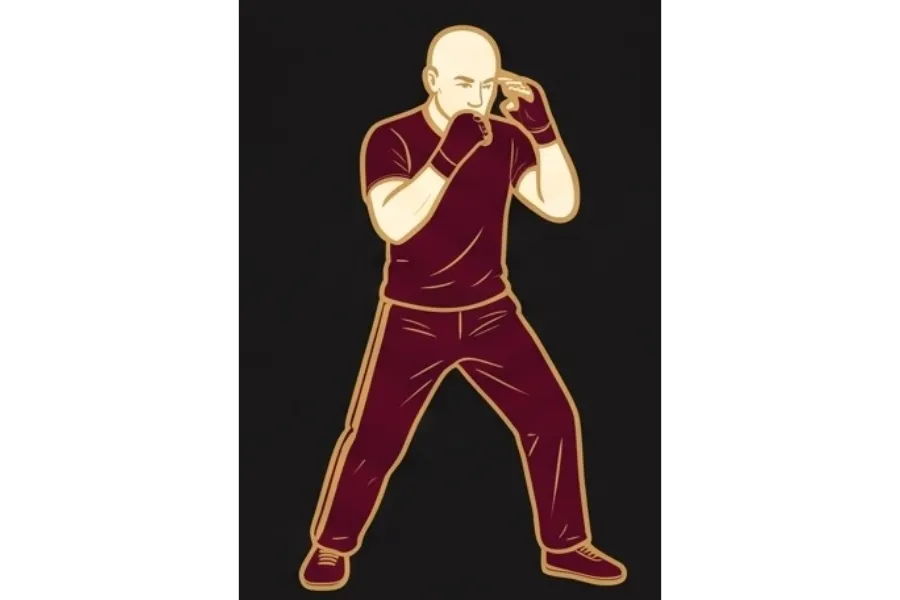
Krav Maga
An Israeli self-defence system aimed at fast, simple responses to real danger rather than at competition.
 IsraelHybrid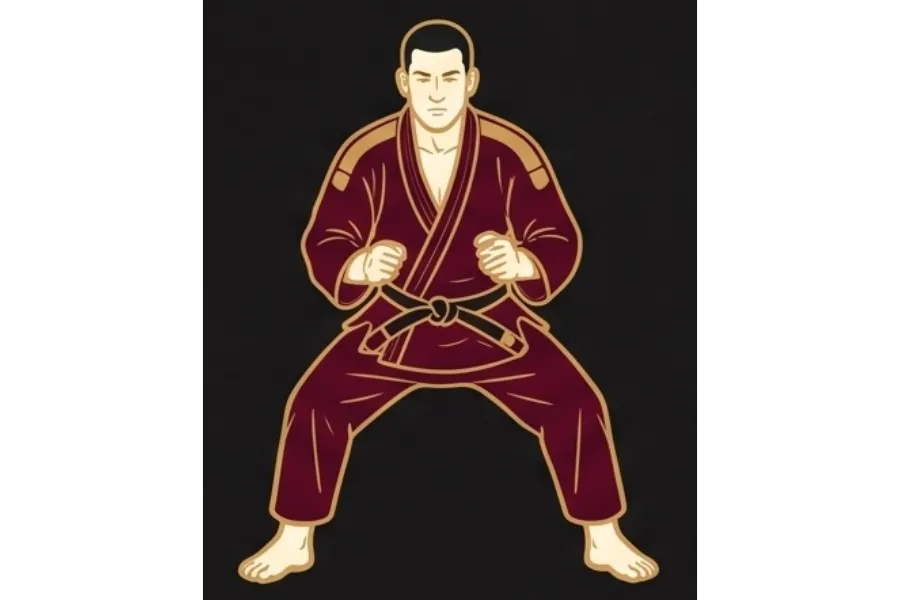
Judo
A Japanese art of throws and grappling, Olympic since 1964; its idea is to use the opponent's strength instead of your own.
JapanGrappling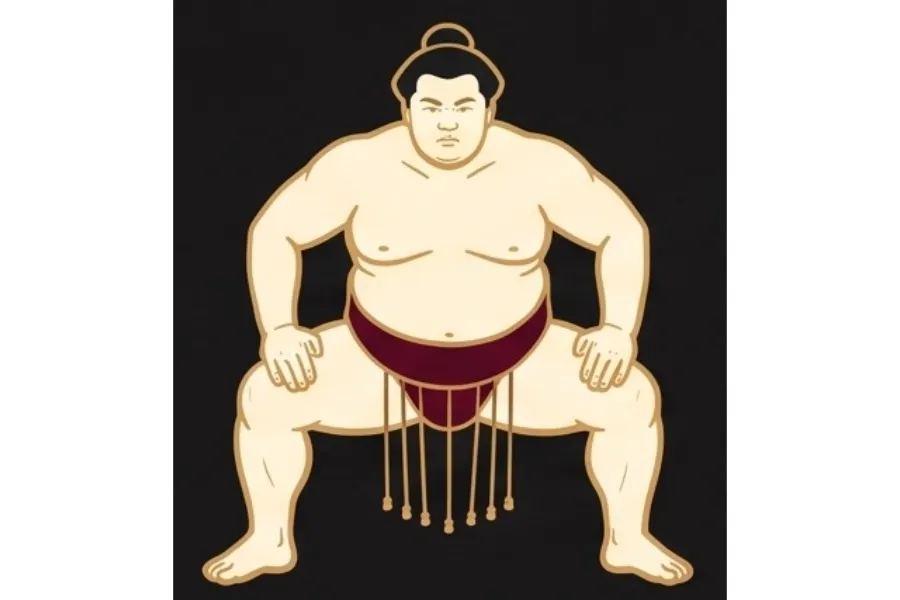
Sumo
Japanese wrestling with over a thousand years of tradition; fought in a circular ring and, in the professional circuit, without weight classes.
JapanGrappling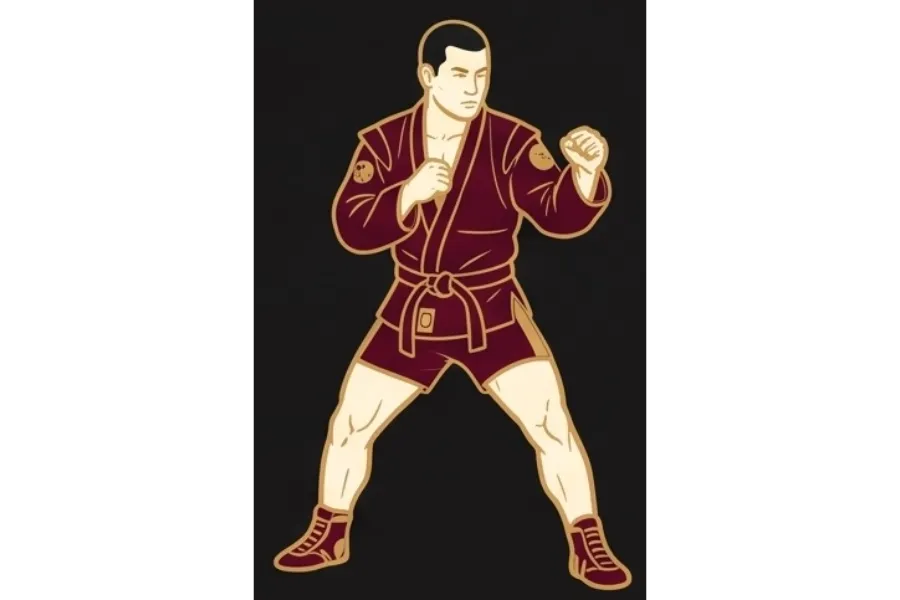
Sambo
A Soviet system of grappling and joint locks combining judo with the folk wrestling of the USSR; the combat version also allows strikes.
 RussiaGrappling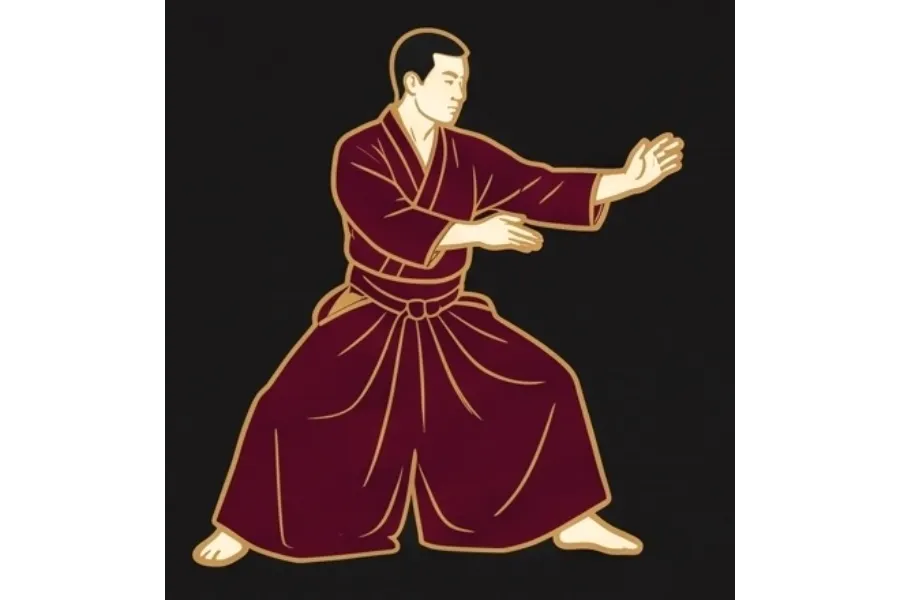
Aikido
A Japanese art of throws and joint locks with no sporting rivalry; the energy of an attack is redirected rather than stopped.
JapanGrappling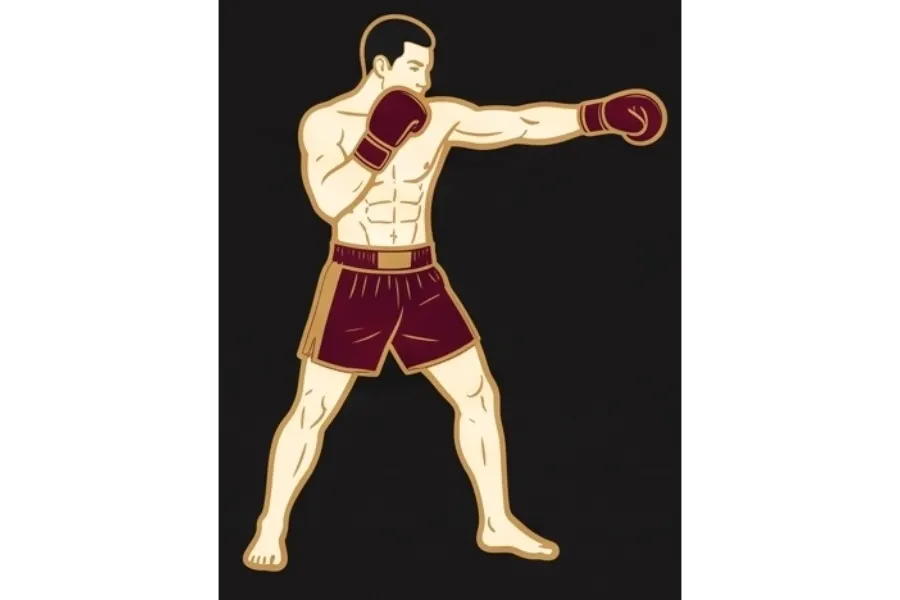
Kickboxing
A striking sport joining boxing hands with kicks. It appeared in the 1960s and 1970s in Japan and the United States at once, from a wish to give karate full contact.
United StatesStriking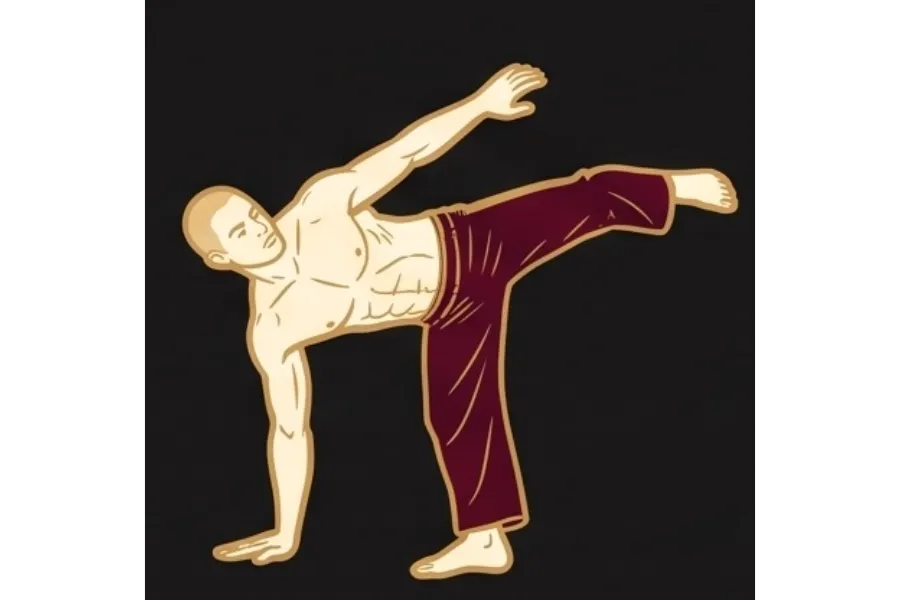
Capoeira
A Brazilian martial art fused with dance and music; practised in a circle called the roda to the sound of the berimbau.
BrazilHybrid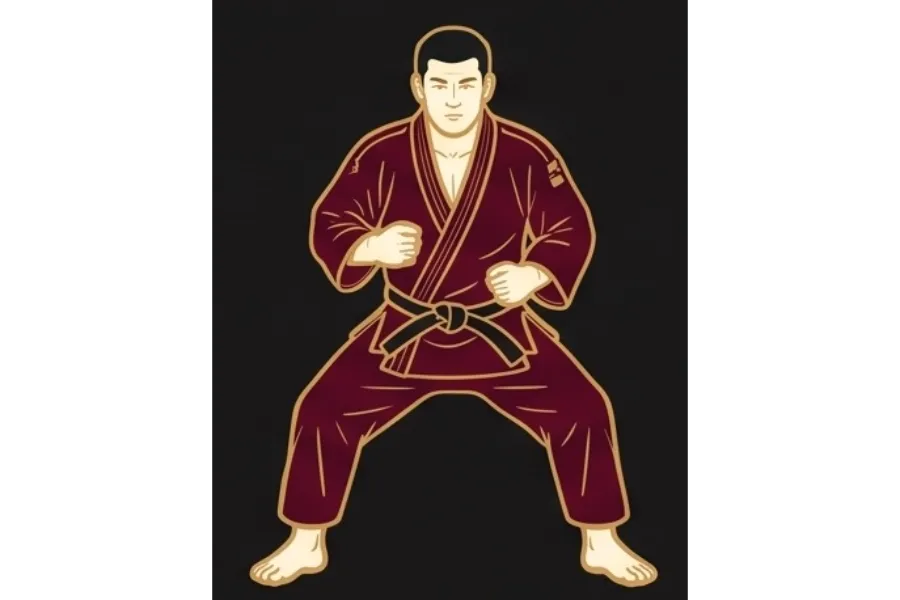
Jeet Kune Do
Bruce Lee's system from the late 1960s, rejecting closed styles. He started from wing chun but concluded that any fixed system is a limitation.
United StatesHybrid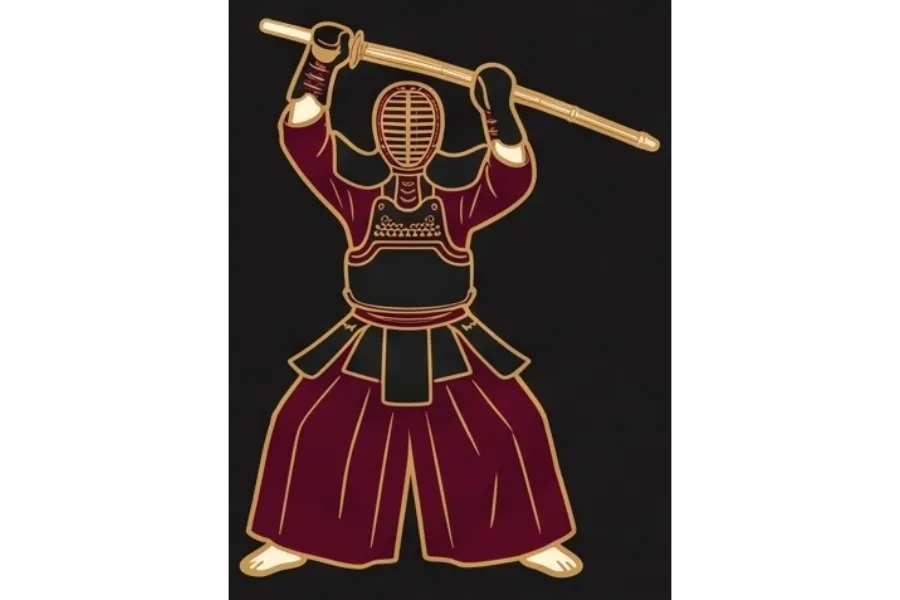
Kendo
Japanese swordsmanship with a bamboo sword in full protective armour; a direct continuation of the samurai art of the sword.
JapanWeapons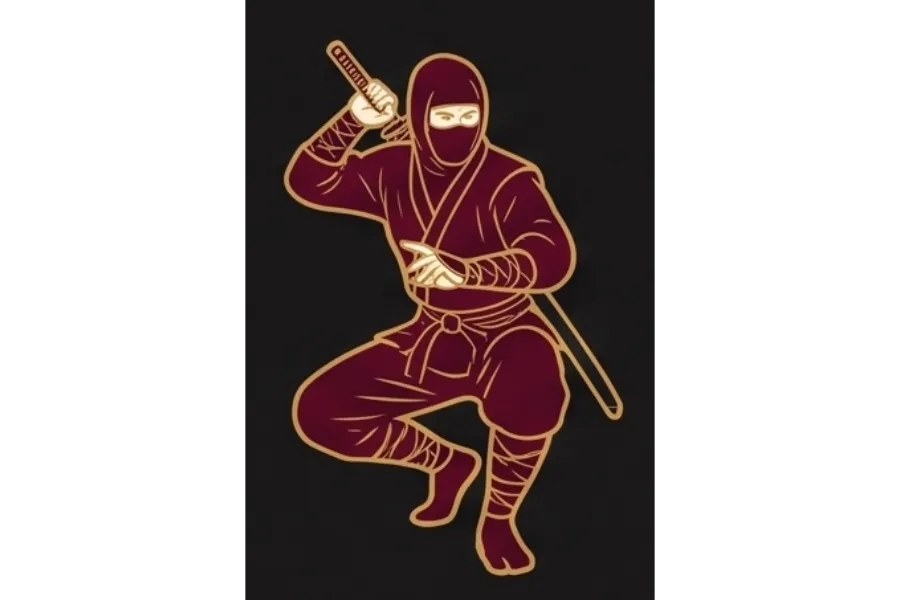
Ninjutsu
A Japanese system drawing on old ryuha, combining unarmed combat, weapons and movement in terrain; its historical continuity is disputed.
JapanHybrid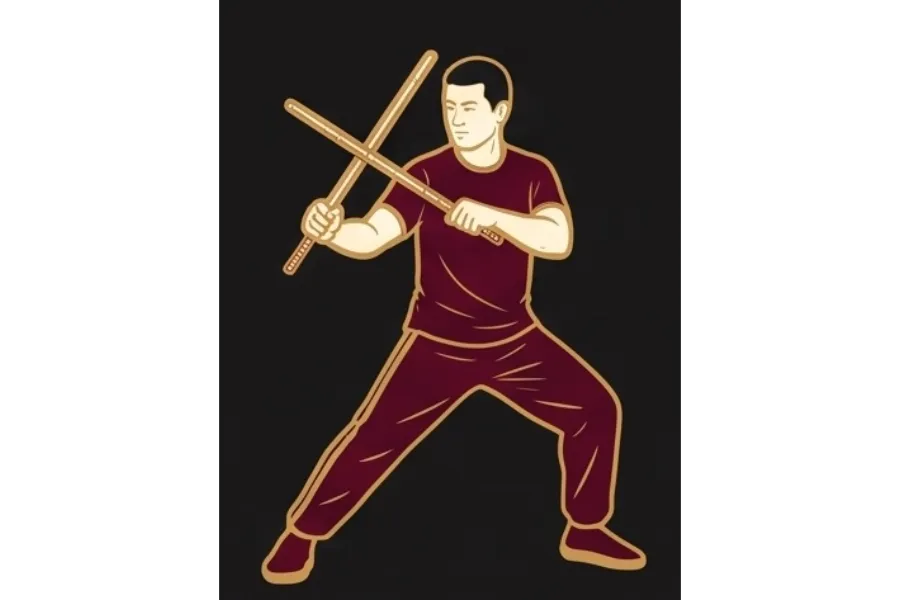
Eskrima
A Filipino weapon-based martial art — rattan stick, knife and improvised objects; you learn from the weapon, not from empty hands.
 PhilippinesStriking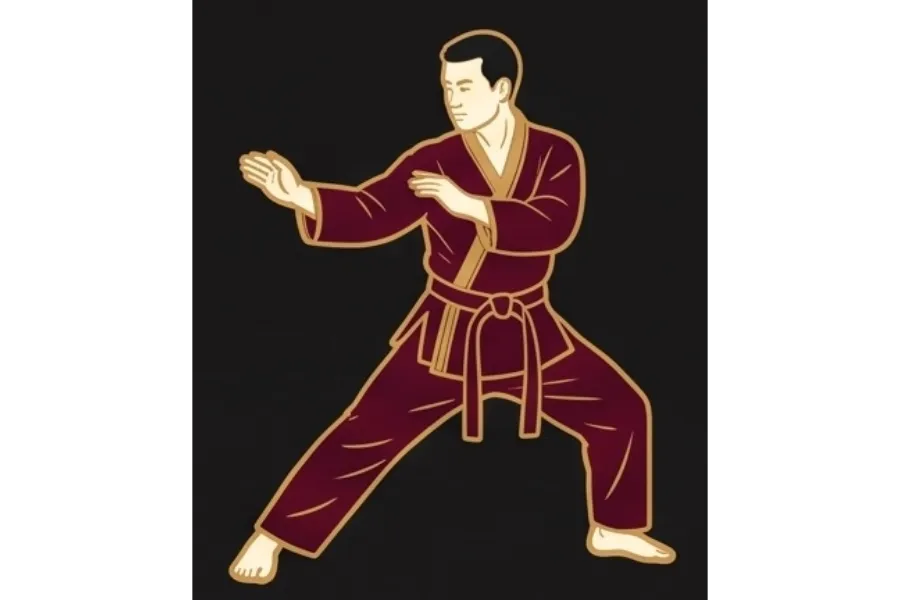
Hapkido
A Korean art combining joint locks and throws with a rich kicking repertoire; aimed at self-defence rather than competition.
South KoreaHybridExplore Database
🥋 All Martial Arts
→Complete catalog of all styles and branches
👥 People
→Founders, masters and famous fighters
📖 Glossary of Terms
→Thousands of terms and their meanings
📜 Katas & Forms
→Traditional sequences step-by-step
👊 Techniques
→Strikes, kicks, blocks and stances
⚔️ Traditional Weapons
→Catalog of weapons across styles
🎬 Martial Arts on Film
→Films by martial art and the actors who fight in them